TB500. If BPC157 is the repair signal, TB500 is the crew that shows up to do the work. It’s a synthetic version of a peptide called thyosin beta 4, something your body produces in small amounts whenever tissue gets injured. Its main job is cell migration. Basically, telling healing cells where to go and helping new blood vessels grow so damaged areas can rebuild more quickly.
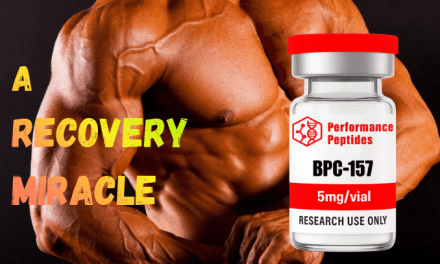
TB500 can be used on its own for muscle strains, tendon injuries, or postsurgery recovery, though it’s commonly paired with BPC-157. BPC-157 helps kickstart the repair process and reduce inflammation, while TB500 improves circulation and speeds up the rebuilding phase. One tells the body to start fixing, the other makes sure the right materials actually arrive. Early studies, mostly in animals, suggest TB500 promotes faster healing, less inflammation, and even hair growth in some cases.
Human research is still limited, but enough athletes and rehab specialists have reported quicker recovery that it’s earned a steady following. The risk is the same as with most unregulated peptides, no oversight, inconsistent quality, and a big question mark around long-term safety. But that really hasn’t stopped anyone. Many swear that stacking TB500 with BPC57 is the ultimate recovery combo. The pair that has made people start taking peptide therapy seriously. CJC1295