
Tirzepatide Weight Loss Profile
Tirzepatide is a next-generation injectable medication changing how doctors approach obesity and metabolic disease. Marketed under brand names like Mounjaro (for type 2 diabetes) and Zepbound (for chronic weight management), it acts on two hormone systems at once, producing some of the most significant weight-loss results seen in large clinical trials so far. (NCBI)
At its core, Tirzepatide is a dual agonist of GLP-1 (glucagon-like peptide-1) and GIP (glucose-dependent insulinotropic polypeptide) receptors. These “incretin” hormones are naturally released after meals and help regulate appetite, insulin release, and blood sugar. By activating both receptors, Tirzepatide reduces hunger, slows stomach emptying, increases feelings of fullness, and improves how the body handles glucose. The combined effect is powerful weight loss plus better metabolic control, especially in people with type 2 diabetes. (NCBI)
The weight-loss data are what pushed Tirzepatide into the spotlight. In the SURMOUNT-1 trial, adults with obesity or overweight but without diabetes lost over 20% of their starting body weight on average at higher doses—numbers that exceeded those seen with earlier GLP-1–only drugs like semaglutide. (New England Journal of Medicine) For many patients, this moves the needle from “modest” to “transformational” weight reduction, which can translate into fewer obesity-related complications over time.
In the United States, Zepbound (Tirzepatide ) is FDA-approved for chronic weight management in adults with obesity (BMI ≥30) or overweight (BMI ≥27) who also have at least one weight-related condition such as high blood pressure, high cholesterol, or type 2 diabetes. It must be used together with a reduced-calorie diet and increased physical activity, not as a stand-alone fix. (U.S. Food and Drug Administration) Mounjaro (the same active ingredient) is approved for improving blood sugar in adults with type 2 diabetes, where the added benefit is often substantial weight loss on top of glucose control. (NCBI)
More recently, Zepbound has also been approved to treat moderate-to-severe obstructive sleep apnea in adults with obesity, based on data showing significant improvements in apnea severity as patients lose weight. (AASM) Beyond that, clinical studies are exploring its role in conditions like metabolic syndrome, fatty liver disease, cardiovascular risk reduction, and kidney disease. These uses are still evolving and may not be formally approved yet, but they show how far-reaching the metabolic effects of the drug might be. (Taylor & Francis Online)
From a practical standpoint, Tirzepatide is given as a once-weekly subcutaneous injection. Doses are gradually increased over weeks to improve tolerability and find a maintenance level that balances effectiveness and side effects. Patients are typically followed closely by a clinician to track weight, blood sugar, blood pressure, cholesterol, and any adverse effects. Real-world results vary: some people lose a dramatic amount of weight, others more modestly, and a few may not respond as well as the averages suggest. (FDA Access Data)
Like any potent medication, Tirzepatide comes with risks. The most common side effects are gastrointestinal—nausea, vomiting, diarrhea, or constipation—especially during dose escalation. There are warnings about thyroid C-cell tumors based on rodent data, and it is contraindicated for people with a personal or family history of medullary thyroid carcinoma or multiple endocrine neoplasia type 2 (MEN2). There are also concerns about pancreatitis, gallbladder disease, and potential interactions with other diabetes or weight-loss drugs. Terzepetide is a prescription medication that must be supervised by a qualified healthcare professional, not something to experiment with on your own. (FDA Access Data)
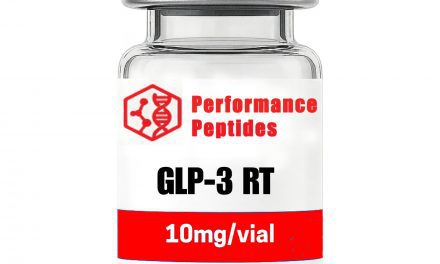
Access and sourcing are critical. Regulatory agencies have explicitly warned against “research peptide” or compounded versions of Tirzepatide sold online and marketed for human use. These knockoff products are unapproved, may be inaccurately dosed, and can pose serious safety risks. (Reuters) For anyone considering this medication, the safe route is straightforward: talk to a licensed clinician, use only approved products from legitimate pharmacies, and view Tirzepatide as one tool within a broader plan that still includes nutrition, movement, and long-term lifestyle change.
Used appropriately, Tirzepatide represents a major shift in obesity and metabolic care. It doesn’t replace the basics—diet, activity, sleep, and support—but it can give some people the biological leverage they’ve never had before in their fight against excess weight and its complications.
Tirzepatide weight loss profile explaining mechanisms, medical uses, benefits, and key safety considerations today.
Tirzepatide dosing is the same for adult men and women; the FDA-approved schedule does not change by sex. It’s titrated slowly once weekly to reduce side effects. (Lilly)
| Treatment phase (weeks) | Weekly dose (mg) | Typical adult dose – males | Typical adult dose – females | Notes |
|---|---|---|---|---|
| 1–4 | 2.5 mg | 2.5 mg | 2.5 mg | Starter dose only; not for long-term weight loss. (Lilly) |
| 5–8 | 5 mg | 5 mg | 5 mg | First “therapeutic” dose; increase if tolerated and needed. (theglenmoreclinic.ca) |
| 9–12 | 7.5 mg | 7.5 mg | 7.5 mg | Optional step-up for more effect if tolerated. (MEDvidi) |
| 13–16 | 10 mg | 10 mg | 10 mg | Common maintenance range starts here (5–15 mg total range). (MEDvidi) |
| 17–20 | 12.5 mg | 12.5 mg | 12.5 mg | Higher maintenance level if more effect needed and tolerated. (Lilly) |
| 21+ | 15 mg (max) | 15 mg | 15 mg | Maximum approved weekly dose for weight loss. (Lilly) |
- Given as a once-weekly subcutaneous injection (abdomen, thigh, or upper arm). (Lilly)
- Start at 2.5 mg for 4 weeks, then increase by 2.5 mg every ≥4 weeks only if tolerated and needed, up to 15 mg. (Lilly)
- Maintenance doses for weight loss are usually 5, 10, or 15 mg once weekly. (MEDvidi)
- No routine dose adjustment just for being male vs female; doctors adjust based on side effects, other illnesses, and how well it works. (NCBI)
Important disclaimer you can paste under the table:
This chart is for general information only and does not replace medical advice. Actual tirzepatide (e.g., Zepbound®/Mounjaro®) dosing must be individualized and prescribed by a licensed healthcare professional. Do not start, stop, or change your dose without your prescriber.
https://www.nejm.org/doi/full/10.1056/NEJMoa2206038
https://www.fda.gov/news-events/press-announcements/fda-approves-new-medication-chronic-weight-management
https://www.ncbi.nlm.nih.gov/books/NBK585056/
https://obesitymedicine.org/blog/weight-loss-medications/
https://www.reuters.com/business/healthcare-pharmaceuticals/us-fda-warns-online-vendors-selling-unapproved-weight-loss-drugs-2024-12-17/
https://www.harvard.com/